Hints and tips
- Keep it loose - do not bag your recycling
- Lids off - remove lids on milk/drink bottles and containers
- Keep it clean - rinse recyclables for a better end product
- Do not overfill - bins or place large, heavy or hazardous objects in the bin
- Fold boxes - to save space
- Don't crush - no need to crush tins and cans
If you find your bin is overfilled regularly, contact us to find out about the reduced price second bin option.
Recycling dos
The main recycling categories for the kerbside yellow lid recycling bin are listed below:
Hard plastics
All plastic bottles and jars can be recycled, just rinse and remove lids first!
Some examples of recyclable plastic products found in your home are:
- water bottles
- soft drink bottles
- juice bottles
- milk bottles
- cordial bottles
- sauce bottles
- ice cream containers
- yogurt containers
- butter containers
- plant pots
- detergent bottles
- cleaning product bottles
- vitamin and medicine bottles
- bathroom products bottles
- laundry liquid bottles
- plastic jars
Eligible Containers for Change items can also be cashed in for a 10 cent refund.
Click here > to find your nearest Containers for Change refund point.
Steel and aluminium
Drink and food cans are normally made of aluminium or steel and both are easily recycled.
Examples of steel items that can be recycled include:
- food tins
- pet food tins
- baby formula tins
Examples of aluminium items that can be recycled include:
- aerosol deodorants, hair spray, cooking spray, etc. (empty)
- insect spray (empty)
- alfoil (clean tray, foil scrunched into a ball)
- drink cans
Eligible Containers for Change items can also be cashed in for a 10 cent refund.
Click here > to find your nearest Containers for Change refund point.
Glass bottles and jars
Glass jars and bottles either clear or coloured are 100% recyclable. Flat, plate or mirror glass however cannot be recycled.
Examples of glass items that can be recycled include:
- sauce bottles
- food jars
- oil and vinegar jars or bottles
- juice bottles
- alcohol bottles
Eligible Containers for Change items can also be cashed in for a 10 cent refund.
Click here > to find your nearest Containers for Change refund point.
Paper and cardboard
Cardboard can be recycled but it should be clean and of a size that fits loosely into a bin.
Remember to fold large boxes down.
Examples of paper and cardboard items that can be recycled include:
- boxes (food, packaging, cereal, etc.)
- egg cartons
- glossy magazines, brochures and catalogues
- wrapping paper (no glitter)
- paper
- toilet rolls
- juice and milk cartons
- pizza boxes (clean /minor contamination)
if the bottom of the pizza box is too greasy, break up the box and recycle the clean sections
Recycling don'ts
Don't place the following in your recycling bin:
- car parts
- soft plastics and plastic bags
- clothes and textiles
- eWaste
- batteries and hazardous waste
- crockery
- food or garden waste (perishables)
- garden hose
- nappies
- plastic shopping bags
- polystyrene
- Pyrex
- sharps and needles
- steel sheet and pipes
- sheet glass
- toys
- Tupperware
- turps or metho bottles
- vacuum cleaner bag
Many household items like old clothes, toys and batteries are not suitable for recycling through your yellow-lid bin but can be recycled through a range of alternative disposal programs offered by community organisations and retailers.
Click here > to learn more about these other recycling options.
Soft plastics
If you can scrunch it in your hand, then it’s a soft plastic.
This includes food packaging, plastic film, bags and bin liners.
Soft plastics cause contamination and may lead to recyclable materials being sent to landfill.
Australia currently lacks facilities to recycle soft plastics. Please put soft plastics in the general waste bin or avoid them altogether.
In the meantime, try to reduce your soft plastic usage and consider purchasing products that are not packaged in plastic.
Did you know?
When any of the above listed items are placed in your yellow-lid bin it may mean your recycling goes to landfill?
These contaminants can also damage the sorting machines and create safety problems for workers.
Dispose of these items in your general waste bin or take to your nearest waste facility.
Become a recycling pro with our localised recycling dos, don'ts and tips for sorting and managing household rubbish.
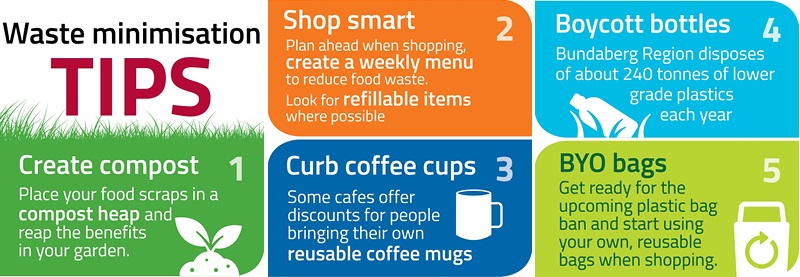
Find waste reducing tips and check out our education factsheets and videos.
Did you Know?
Locally, your recycling is sorted by hand! Take a tour of the Material Recycling Facility (MRF).
Still have more questions or want personalised answers? Visit Recyling Mate chatbot and map.

Keep it clean
Scrape out all food containers and pizza boxes before they go into the yellow lid bin.
If you’re unsure, give it a quick rinse. This helps prevent contamination and ensures that the recycling process runs smoothly.
Make sorting simple
Keep a separate sorting basket for recyclables in your kitchen, laundry and bathroom.
Some items are made up of recyclable and non-recyclable materials, separate soft plastics coverings from food packaging to ensure more items can be recycled.
Keep it loose
Don’t put your recyclables in a bag or bin liner as they may end up in landfill.
Keep your recycling loose when it goes into your yellow lid bin.
Keeping it loose also means recycling can be sorted and processed more easily and efficiently.
Alternative disposal
Many household items like old clothes, toys and batteries are not suitable for recycling through your yellow lid bin, but can be recycled through a range of alternative disposal
programs offered by community organisations and retailers. Click here to learn more about these recycling options.
Waste and Recycling - factsheets and documents
Waste and recycling - operational
Waste facility information >(PDF, 393KB)Click Here(PDF, 393KB)
Waste facilities opening hours including recycle good shops, and acceptance of waste reference table
Recycle goods disclaimer (shop) > Click Here
Lists conditions of sale and prohibited items
Asbestos - handling and disposal guide > Click Here
What are the rules, where is it commonly found, how to handle, transport and disposal advice
Skip bin dos and don'ts > Click Here
Guide for correct disposal - permitted, declared and prohibited waste lists
Waste and recycling - fees and charges
Waste disposal fee - A3 schedule (all facilities) > Click Here(PDF, 244KB)
Detailed list of current commercial and domestic waste disposal fees, other chargeable items and sale items
Waste disposal fee - A4 factsheet (all facilities) > (PDF, 318KB)Click Here(PDF, 318KB)
Combined domestic and commerical waste disposal fee summary - all waste facilities
Including free disposal and declared items
Non weighbridge conversion table - deemed weight > Click Here
List of vehicles and skip bin types and deemed weights for these which disposes of waste at non-weighbridge waste facility.
Waste and recycling - educational
Waste and recycling - dos and don'ts > Click Here
list items you can and can't recycle, list of general household items and other wastes. Includes hints and tips for waste and recycling disposal
A-Z waste and recycling guide factsheet > Click Here
A-Z list of waste and recycling items, disposal options, waste facility information, free disposals list, recycling at the MRF. Includes tips for managing household rubbish
Waste and recycling handy guide booklet > Click here
Booklet of detail information on all of waste & recycling including
- What is waste
- Recycling at home
- More way to recycling
- A-Z Guide
- How to reduce waste
- Kerbside bin collection
- Waste facilities
Waste and recycling - bin collection
Waste collection service information > Click Here
includes information on householder responsibilities, damaged or missing bins, assisted collections, wheelie bin dos and don'ts
Recycling collection calendar > Click Here
Calendar for kerbside bin collections with highlight weeks for recycling bin collections (Week A or Week B)
*Please note that hard copies of any of our promotional factsheets are able to be requested from BRC Service Centres or Waste & Recycling Services
Waste and Recycling - videos
View our helpful videos to learn more about waste and recycling in the Bundaberg Region
Waste and recycling educational videos - overview
Recycle right
- Material Recovery Facility - benefits of recycling
- Recycling journey - other household items
- Plastic recycling - what can and can't be recycled
- Bin to MRF - life cycle of a can
- Battery recycling - tape it or bag it
Waste disposal
- Domestic Chemical Disposal
- "How to sort your load" waste disposal guide
Waste facilities / landfills
- Sustainable landfills
- Landfill gas flares
Kerbside bin collections
- Kerbside wheelie bin tips
- War on waste - waste audit
Waste and recycling tours are available to primary and secondary schools and community groups upon request throughout the year.
These tours are provided free* and run approximately between 60 - 90 minutes on site via a bus tour.
*Please note: a bus is required for the duration of the whole tour - to be organised by the school / community group.
Tour days: Wednesdays and Thursdays
Waste facility tour - overview
Waste facility
Your bus will drive around the Bundaberg Waste Management Facility to view different stockpile areas and see how the local waste facility works.
Recycling facility (MRF)
Tour participants will view where recycling from yellow lid recycling bins goes to be processed. This facility also processes containers from the local Container Refund Scheme
(CRS) collection points.
Due to safety regulations, we are unable to provide onsite tours of the MRF. However, participants will learn about recycling and view the facility from the bus.
Collections depot
The collections depot is the central operations area for local waste and recycling collection trucks and wheelie bins.
Waste and recycling education - promotional bags
Waste and Recycling Services offer promotion bags full of fun, educational items for schools and community groups.
Bags can include pencils, rulers, stickers, activity booklets, colouring pencil packs and flyers.